



Introduction
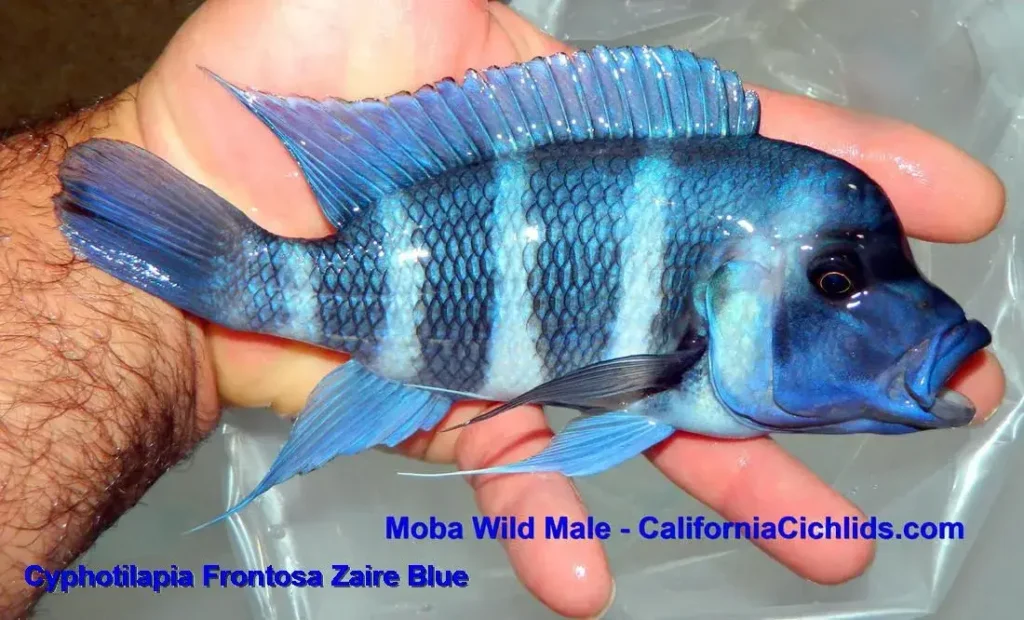
Anyone who has kept African cichlids knows these are not ordinary fish. These unbelievable fish from Lake Malawi and Lake Tanganyika do not merely swim. They think, interact, compete, and even “plan.” Out of all fishes all over the globe, African cichlids are arguably the most intelligent and socially complex fish.
Their behavior is not simple at all. Some defend family groups with soldier like discipline while some care for families tenderly. Believe it or not, some of them even bond for life. It is like watching a miniature society in action with drama, loyalty, and strategy.
In this post, we will look at African cichlid behavior. African cichlid behavior involves their social systems, communication, social hierarchy, and parental care which fascinates most aquarists and even some scientists.
The Social Structure of African Cichlids
In the wild, African cichlids live in tightly organized communities. Their societies are built on dominance hierarchies—each fish knows its place.
The alpha male usually claims the best territory, brightest colors, and most mating opportunities. Subdominant males take on duller shades to avoid confrontation, while females form cooperative networks for protection and breeding.
This dynamic is constantly shifting. Power struggles, displays, and courtship rituals play out daily, making their tanks lively and unpredictable.
In captivity, this same behavior emerges. That’s why tank design, stocking numbers, and species compatibility are so important—because in a cichlid world, social balance is everything.
Communication: The Secret Language of Cichlids
Cichlids don’t just rely on sight or movement—they communicate using color, body language, and vibration.
- Color changes: Males brighten their hues to show dominance or attract females. When stressed or submissive, they fade to duller tones.
- Fin displays: Raised dorsal fins signal aggression or alertness.
- Mouth and gill flaring: A clear warning to intruders—“This is my territory.”
- Body vibrations: Some Tanganyika species, such as Cyprichromis leptosoma, communicate through subtle body quivers that others detect in the water.
This ability to express emotions through color and motion makes them one of the most interactive fish to keep. Experienced aquarists can often tell how their cichlids “feel” just by observing their hues.
Territorial Behavior: The Art of Defense
Territory defines a cichlid’s life. In Lake Malawi, rock-dwelling Mbunas carve out tiny patches among the stones, defending them aggressively against intruders. Males spend hours patrolling, fanning sand, and cleaning their chosen spot to attract females.
In Lake Tanganyika, many species like Altolamprologus or Neolamprologus do the same but in unique ways—some live inside shells, while others build craters in sand or guard rocky ledges.
For aquarists, understanding this instinct is critical. Overcrowded tanks or poor layout can cause constant fights. The solution? Provide plenty of hiding spaces and visual barriers. This lets each fish feel secure without constant conflict.
Intelligence and Memory
Unlike most fish that act purely on instinct, African cichlids learn from experience. They recognize their owners, remember feeding times, and even understand routines.
Research shows that some species can distinguish between human faces, adapt to complex mazes, and use problem-solving skills to get food. They also remember past conflicts—dominant fish avoid unnecessary fights with rivals they’ve already defeated.
Their ability to learn and adapt makes them endlessly engaging pets. Each fish develops its own “personality,” and aquarists often give them names because they act more like dogs than fish.
Parenting Behavior: The Ultimate Family Fish
One of the most touching aspects of African cichlid behavior is their devotion to family. Unlike many fish that abandon their eggs, cichlids are devoted parents.
- Mouthbrooders: Common among both Lake Malawi and Lake Tanganyika species, females carry fertilized eggs and fry inside their mouths for up to three weeks. During this time, they don’t eat, dedicating all energy to protecting their young.
- Shell Dwellers: Tanganyika species like Neolamprologus multifasciatus raise their fry in snail shells, guarding them fiercely.
- Biparental Care: Some pairs work together, with one guarding while the other feeds.
In a cichlid tank, you’ll witness these parenting moments often—females hiding in caves with fry, or males clearing territory for spawning. It’s nature at its most caring and strategic.
Conflict and Hierarchy
Fighting among cichlids isn’t random—it’s structured. Battles for dominance are more about display than destruction. Males flare fins, circle each other, and vibrate before actual contact. The winner often drives the loser away without harm.
Once the hierarchy is set, peace usually follows—until a younger fish challenges the top spot. This dynamic makes every aquarium a living social drama.
Tip for aquarists: Overcrowding, improper sex ratios, or mismatched species often cause ongoing aggression. Balancing tank composition and rearranging rocks occasionally can reset dominance and restore harmony.
Emotional Depth and Personality
Aquarists often describe their cichlids as emotional—and it’s true. These fish form attachments, exhibit curiosity, and show recognizable moods. They’ll interact with your hand during feeding, watch your movements outside the tank, and react differently to familiar versus unfamiliar people.
Some even develop routines—certain fish “escort” their owners along the glass, while others guard favorite hiding spots like personal bedrooms. This emotional range is what makes African cichlids so addictive to keep.
How to Encourage Natural Behavior in Your Aquarium
If you want to see your cichlids’ full personalities, create a habitat that mimics their natural world.
- Add rocks, caves, and sand for digging and hiding.
- Keep compatible groups from the same lake.
- Feed a balanced diet rich in natural ingredients.
- Maintain consistent light and temperature.
You’ll quickly notice courtship dances, territorial displays, and even playful interactions—all signs your fish feel secure and stimulated.
Why Understanding Behavior Matters
Many aquarists struggle with aggression, stress, or illness in cichlid tanks because they overlook behavior. When you learn their signals and instincts, you can prevent most problems before they happen.
Understanding your cichlids’ behavior helps you:
- Identify stress early (through color or movement changes).
- Create better tank layouts that reduce aggression.
- Build breeding setups that encourage natural parenting.
- Strengthen bonds with your fish through observation and care.
Conclusion
African cichlids are not just fish—they are complex, emotional, and intelligent beings that form societies, raise families, and communicate in ways few freshwater species can. Their mix of color, behavior, and awareness makes them some of the most rewarding creatures to keep.
Whether you’re fascinated by the vibrant activity of Lake Malawi or the sophisticated colonies of Lake Tanganyika species, understanding their behavior transforms fishkeeping from a hobby into a deep connection with nature.
Once you learn their personalities, you’ll never look at aquarium fish the same way again.