



In the world of aquariums, few places inspire as much fascination as Africa’s great lakes. From Lake Malawi to lake tanganyika and lake victoria, these vast freshwater ecosystems are not only natural wonders but also living laboratories of evolution, diversity, and color. Their inhabitants, cichlids in particular, have captured the attention of aquarists worldwide for their dazzling hues, unique behaviors, and adaptability to home aquariums. Whether it’s the striking species found in these waters or rare treasures admired by aquarists, Africa’s lakes remain at the heart of the aquarium world.
This article explores why these lakes continue to dominate the aquarium industry, highlighting their biological uniqueness, their impact on hobbyists, and how they’ve shaped both research and the fishkeeping community
The Amazing Biology of Africa’s Lakes: Where Evolution Happens
Some of the most biologically varied freshwater systems in the world are Africa’s lakes. One example is Lake Malawi. There are around 700 kinds of cichlids, and many of them can only be found here. This is an illustration of how species can change throughout time. Lake Victoria, on the other hand, is only about 15,000 years old, but it has a lot of different kinds of cichlids. Lake Tanganyika is the oldest and deepest lake, on the other hand. It is a place where species have lived for millions of years, making it a birthplace of evolutionary history.
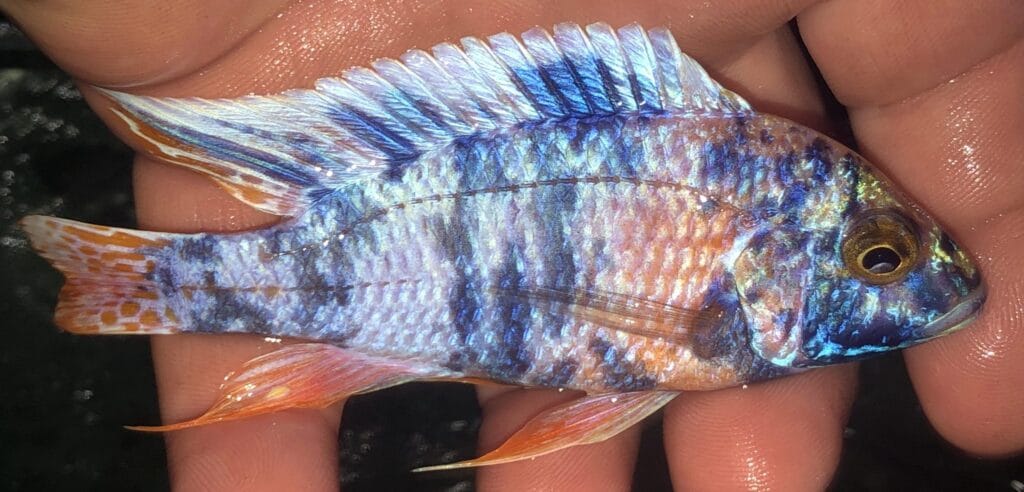
This implies that aquarists will always have new species to look at, each with its own colors, patterns, and habits. One striking example is a species that displays a blue and gold body that sparkles in aquariums. It also shows off the art of evolution in Malawi’s waterways.
Natural Labs
Scientists study these lakes to learn about how species form, how ecosystems work, and even how genetics and adaptation work in individuals. Aquarists enjoy these cichlids because they have the same qualities that make these lakes valuable to science. Every species has a narrative to tell about survival, competitiveness, and beauty. People who buy Lake Victoria cichlids don’t just receive fish; they also obtain a piece of the history of evolution for their aquariums.
Why Aquarists Like African Cichlids: Their Bright Colors and Patterns
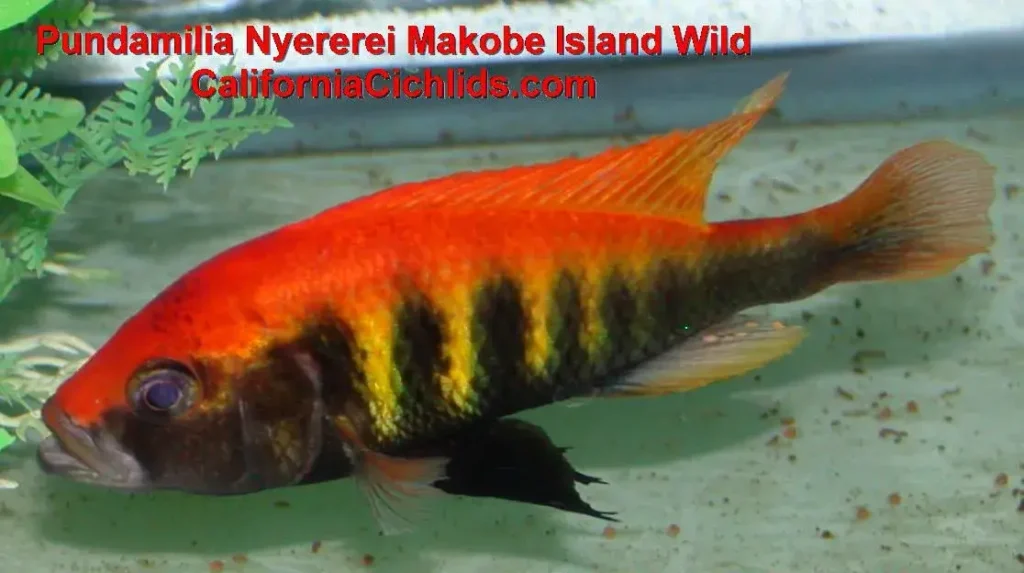
African cichlids have a wider range of colors than most other fish. They are just as bright as marine species, but they don’t need a saltwater tank. Victorian fish are bright red and orange, Malawian fish are electric blue, and Tanganyikan fish have patterns that are subtle but lovely.
For instance, the mylochromis ericotaenia manda is a highly popular fish among people who desire a bold centerpiece fish. The vivid colors not only make the tank look nicer, but they also make people want to learn more about Malawi’s biodiversity.
Difficult To Understand Social Behavior
Cichlids are not only beautiful; they are also intelligent and gregarious. They take care of their young, defend their territory, and have sophisticated ways of courting. Many aquarists believe that watching African cichlids is like seeing a documentary about real life happen in their tanks. This behavior is notably strong in species from Lake Tanganyika, where adaptations for living on rocks and mouthbrooding are usually interesting.
Access and Availability
African cichlids are easy to find, unlike some exotic marine fish that are hard to take care of. People of different skill levels can select the proper fish for their tanks, with options ranging from common varieties to Lake Victoria Cichlids for sale. Many of these species are also sustainably supplied through breeding operations in captivity, which takes some of the pressure off of wild populations.
Issues With The Lakes: Taking Care Of Them And Being Responsible
Even though Africa’s lakes are plentiful, they are under a lot of stress. Overfishing, pollution, invasive species, and climate change are all threats to the delicate ecosystems. The Nile perch’s arrival in Lake Victoria was very bad for the lake, killing hundreds of local cichlid species. The expansion of the population and industrial activity are still putting stress on these rivers.
This is a reminder to aquarists of the duty that comes with their hobby. By choosing fish from responsible sources or supporting breeders who sustainably breed different species, fishkeepers help conserve the environment.
Breeding In Captivity As A Way To Stay Alive
It’s a positive development that the aquarium business has also become a tool for protecting endangered animals. Breeders throughout the world retain lines of cichlids that might not be doing well in the wild anymore. Many Victorian species, for example, are still alive today because aquarium aficionados nurtured them in tanks. This implies that if you find Lake Tanganyika cichlids for sale, you might be looking at a group of fish that helps them stay safe in their natural home.
How The Aquarium Hobby Affects The Design Of Tanks
The rise in popularity of African cichlids has also influenced the design of aquariums. Rockscapes, caverns, and sandy substrates are widely used by those who desire to recreate the Rift Valley’s natural surroundings at home. These setups not only show off how pretty the fish are, but they also give them more to do by recreating their natural environments.
Sharing Information And Making Connections
Aquarists who adore African cichlids are one of the most active groups of people who enjoy the hobby. People often debate about care, breeding, and conservation on internet forums, in clubs, and at exhibitions. These groups preserve the essence of Africa’s lakes alive around the world by exchanging fry and showcasing uncommon imports.
Inspiration For The Future
Many people who maintain fish for fun start with African cichlids. People of all ages want to learn more about them since they are colorful and exciting. They also combine science and hobbies by letting aquarists enjoy and learn about these incredible evolutionary wonders.
Conclusion
Africa’s lakes still have a huge effect on the aquarium world. Their many species inspire scientists, their colorful cichlids interest aquarists, and their conservation concerns remind us of our responsibilities as enthusiasts. Each fish, whether you admire its glittering beauty or reflect on the historical riches of these waters, connects you to a history of evolution and natural splendor.
Aquarists who keep African cichlids do more than simply have fun; they bring a bit of one of the best ecosystems on Earth into their homes. Fishkeepers, breeders, and conservationists need to keep working together to make sure that Africa’s lakes stay healthy and continue to inspire the aquarium world for many years to come.