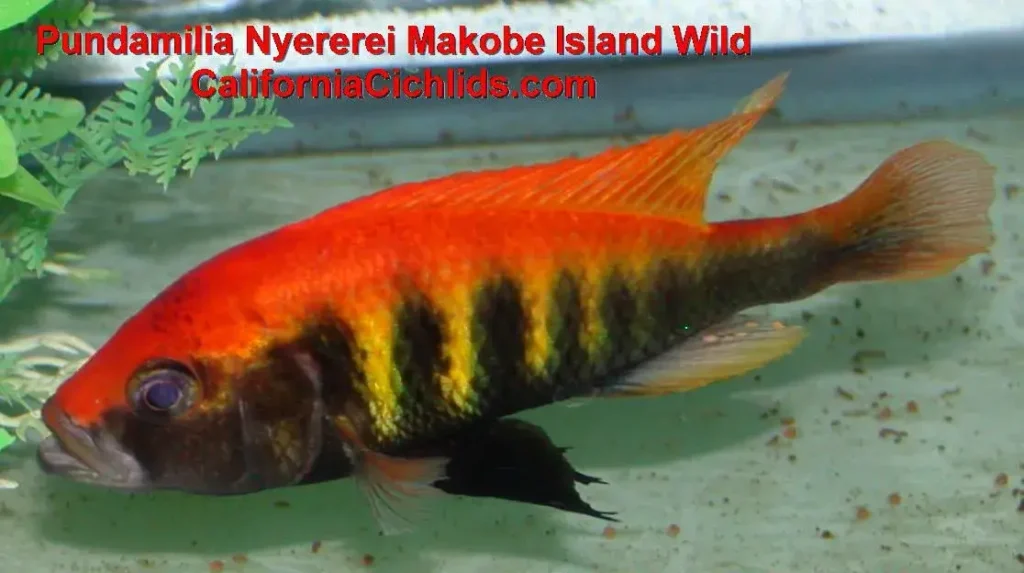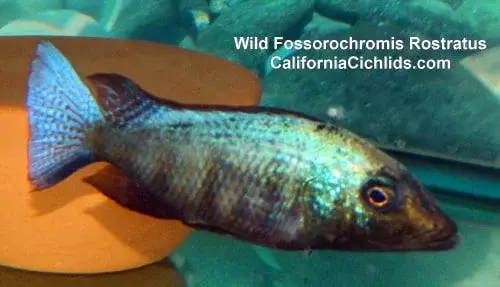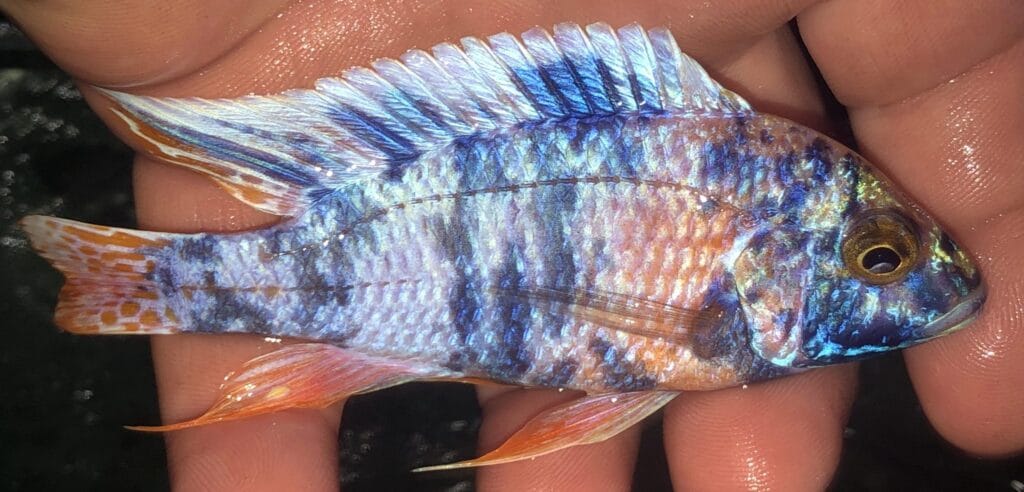


Cichlids make up one of the most intriguing freshwater fish species you could include in your aquarium. Famous for their vibrant colors, bold personalities, and lively behavior, they add energy and excitement to any aquarium. But, cichlids aren’t unlike the typical community fish. They have specific requirements regarding the size of your tank, food, water conditions, and tank partners. The ability to meet these requirements is essential to keep your fish healthy for a long time.
Suppose you’re just starting, creating your first tank for cichlids, or an experienced aquarist looking to upgrade your existing setup. In that case, this article provides everything you need to know to set up the ideal conditions for your Cichlids.
1. Choosing the Right Tank Size
The size of the tank is among the primary and most crucial options when it comes to keeping Cichlids. Cichlids are territorial. Overcrowding causes stress, aggression, and even poor health.
- Small Cichlids (20-30 Grams): Species such as German Blue Rams or Apistogrammas can be kept in tanks this big. However, these fish would appreciate more space.
- Medium Cichlids (40-55 Gallons): Popular species such as Firemouths and Angelfish require bigger tanks to flourish. A 40-55-gallon tank allows enough space for swimming and reduces conflicts.
- Large Cichlids (75 Gallon And More): African Peacocks, Oscars, and other larger cichlids require large aquariums. One single Oscar is an example. Shouldn’t be kept in anything less than 75gallons. If you plan to hold several large species, 100 gallons or more is suggested.
Pro Tips: Always consider the adult size of your fish, not just the size of their juveniles, when you buy them. Many novices are unaware of the space their cichlids need as they develop.
2. Understanding Water Parameters
Cichlids can be sensitive to water conditions, and ensuring they have the correct parameters is crucial for their health.
- Temperature: The majority of cichlids thrive between 75°F and 80°F (24-28°C). Make sure you have a reliable heater that has an adjustable thermostat to prevent sudden temperature fluctuations.
- PH Level: African cichlids from Lake Malawi or Lake Tanganyika prefer alkaline waters (7.8-8.6). South American species like Angelfish and Discus thrive in waters that are slightly acidic (6.0-7.5).
- Water Hardness: African fish require tougher waters (GH 10-20), and South Americans prefer softer water (GH 4-8). Adjusting the pH with crushed coral (to raise the pH) and driftwood (to lower the pH) can help achieve the perfect equilibrium.
- Ammonia, Nitrite, and Nitrate: Ammonia should be kept at a minimum. Nitrates should stay under 20 ppm through weekly water changes and proper filters.
Make sure you have a quality test kit available. Regularly checking prevents minor issues from turning into significant problems.
3. Filtration: Keeping the Tank Clean
Cichlids are messy eaters, which means they generate plenty of waste. A robust filtering system is not a matter of choice.
- Filters for Canisters: The best choice for big aquariums of cichlids, they provide strong biological, mechanical, and chemical filters. Models such as Fluval FX6 or Eheim Classic can handle the high bioloads.
- Sponge Filters: Ideal for fry and small tanks, but not powerful enough for larger tanks.
- Maintenance: Regularly clean the filter media, but do not replace it all at once. The beneficial bacteria colonies are vital to the safe breakdown of waste.
Pick a filter designed to handle 2-3 times the tank’s capacity per hour. For a 50-gallon tank, choose one that can cycle 100-150 gallons every hour.
4. Designing a Cichlid-Friendly Aquarium
Aquascaping cichlids isn’t only about looks, but also about creating new territories and hiding spots.
- Substratum: The fine or sandy gravel is the best choice, particularly for African Cichlids, who prefer digging and sifting across the bottom.
- Caves and Rocks: Provide plenty of rock structures and hiding spots to deter aggression and provide every fish the opportunity to have a “territory.” Use aquarium-safe rocks and secure them to avoid accidents.
- Plants: Although many Cichlids cut down live plants, sturdy species such as Java Fern, Anubias, or Amazon Sword can survive if connected to driftwood or rocks. Artificial plants are a different option for African configurations.
Disrupt sightlines by putting up decor to deter fighting and create natural areas.
5. Feeding Your Cichlids the Right Diet
A balanced diet is the key to vibrant colors, energy, and overall well-being.
- African Cichlids: Primarily herbivores. Feed them with high-quality pellets, flakes, and even vegetable matter. Spirulina flakes herbivore fish food, is an ideal option to highlight the natural colors of fish and help digestion.
- JH: Bloodworms and krill that are laced with vegetables such as spinach, peas, and zucchini.
Feed small portions 2-3 times per day. Take food items that are not eaten quickly to avoid issues with water quality.
6. Choosing Compatible Tank Mates
Some cichlids are not suitable as tankmates, and the choice of a tankmate is crucial.
- African Cichlids: They are best kept in conjunction with other African species with similar dimensions and behavior. Do not mix fish from different lakes because their preferences for water differ.
- South American Cichlids: More peaceful, they can coexist with plecos, tetras, and certain catfish. But beware of smaller species that can be prey for.
If you are adding fish to your aquarium, add them simultaneously to lessen territorial disputes.
7. Maintenance for Long-Term Success
Consistency is the key to keeping cichlids healthy.
- Refills With Water: Replace 20-30% of the water each week to ensure that nitrates are low and the water is clear.
- Tank Cleaning: Use a gravel vacuum to remove food scraps and other debris.
- Make Sure You Check The Equipment: Regularly inspect heaters, filters, and air compressors to ensure they’re functioning correctly.
Keep a Log: Track water test results, maintenance, and feeding plans. The ability to track trends can help prevent issues before they begin.
8. Why Cichlids Are Worth the Effort
Cichlids aren’t the easiest fish to take care of, but they’re one of the most rewarding. Their keenness, interaction, and astounding diversity make them a popular choice for aquarists all over the world. From the bright colors of the blues and yellows in African species, to the graceful movements that are typical of South Americans, each fish is unique in its way.
If you’re looking to expand your collection, consider adding rare and vibrant species like tropheus for sale. These fish are sought after by their stunning appearance and distinct behavior, which make them a striking option for any sophisticated setup.
Conclusion
Maintaining cichlids’ health and happiness is a matter of the right preparation, patience, and persistence. If you choose the right size tank and water quality with a robust filtration system, the right diet, and suitable tankmates, you’ll be blessed with the most exciting and vibrant aquariums you can get.
In the final analysis, the cichlids return the love and care that you’ve put into them through vibrant displays of color, captivating behaviors, and a lifetime of bonding. If you take the proper approach, the aquarium you have will not just appear stunning, but be thriving as a balanced, healthy ecosystem.