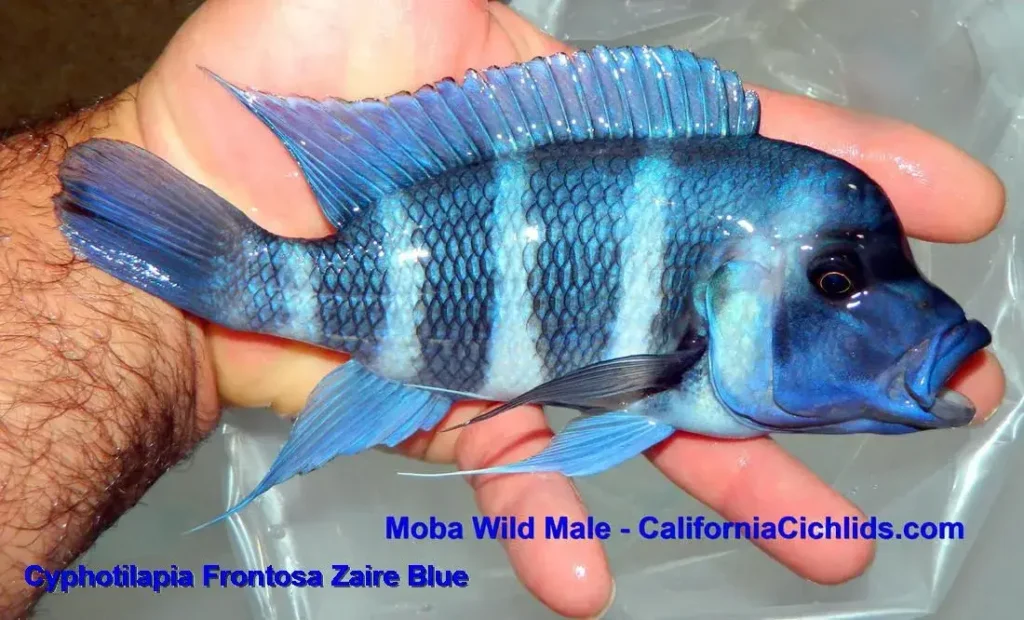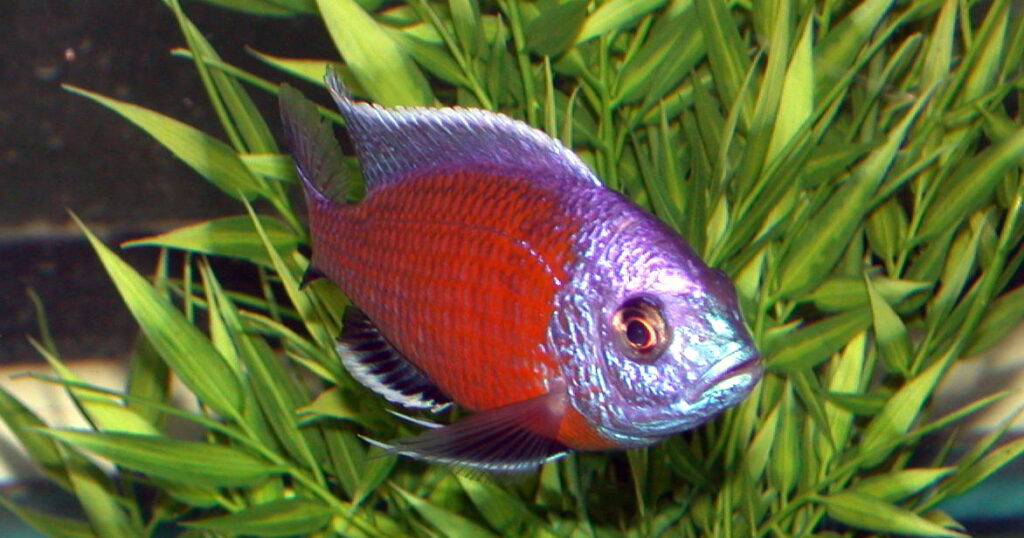




One of the first things you’ll notice when you look for Mbuna cichlid fish is their amazing, bright colors. They have deep blues, fiery oranges, and bold yellows that make them look like living jewels in your aquarium. But what happens when those bright colors start to fade?
Your fish may need a little assistance, but it still has its sparkle. It may surprise you to learn how common color loss is in fish, particularly in African species like Mbuna. The good news? You can keep your fish looking as beautiful as the day you brought them home if you give them the proper care. Here’s everything you need to know to prevent your fish from losing their color.
What Causes Color Loss in Cichlids?
Understanding the cause of the issue is helpful before trying to solve it. These are the most typical reasons:
- Stress: Fish that are stressed by overcrowding, hostile tank mates, or abrupt environmental changes may exhibit duller colors.
- Bad Water Quality: Unbalanced or dirty water affects vitality and health.
- Diet Deficiency: Cichlids will not exhibit their natural colors if they are not given the proper nutrients.
- Lighting: Proper aquarium lighting enhances the colors of fish.
- Age: The color intensity of older cichlids may naturally diminish.
Preventing color loss isn’t complicated; it’s all about balance. Clean water, high-quality food, a stress-free environment, and proper lighting work together to keep your cichlids glowing.
Here are a Few Great Tips:
Tip 1: Keep the Water Clean
Healthy water means healthy color. Do weekly 20–25% water changes, test pH and ammonia, and keep temps steady between 76–82°F. Stable Lake Malawi/Tanganyika conditions = vibrant fish.
Tip 2: Feed for Color
Diet is key. Make cichlid pellets color enhancing staple—they’re packed with pigments and nutrients that bring out natural shades. Add spirulina flakes for herbivores like Mbuna and toss in brine shrimp or bloodworms as an occasional treat.
Tip 3: Minimize Stress
Stress dulls color fast. Don’t overcrowd tanks, choose compatible species, and add plenty of rocks, caves, or plants. A calm cichlid is a colorful cichlid.
Tip 4: Use the Right Lighting
Good lighting shows off their beauty. Opt for LED lights specifically designed for freshwater fish, limit usage to 8–10 hours a day, and avoid harsh or dim setups.
Tip 5: Start with Healthy Stock
Color begins before your fish even reach the tank. When shopping for Mbuna cichlids for sale, pick active, bright fish with clear eyes and intact fins. Healthy fish + good care = long-lasting color.
Conclusion
Your cichlids’ coloration is not just for display; it’s a sign of optimal health. With stable water parameters, a nutritious diet, and reduced stress, you can keep your fish in top condition for years to come. Ready to add some new color and vibrancy to your aquarium? Check out our wide selection of healthy cichlids and stock up on quality food to keep your fish looking their best.
FAQs
- How Long Will It Take To See Color Improvements?
Expect to see brighter colors within a few weeks, especially if switching to a high-quality, pigment-rich diet.
- Are Live Foods Better Than Pellets?
Not always, pellets offer balanced nutrition, but rotating in live/frozen foods gives an extra boost of natural pigments.
- Can Lighting Alone Improve Color?
Lighting reveals color, but dietary and environmental factors build it.
- Do Stress and Aggression Fade Color Permanently?
If addressed early, it usually is not. Reducing stress often restores color.
- Should I Quarantine New Mbuna Before Adding Them?
Absolutely—quarantine helps catch stress or disease before it affects your main tank.
- Can Color-Enhancing Foods Harm Other Fish?
Generally, they’re safe. But always choose species-appropriate formulas to avoid dietary imbalances.