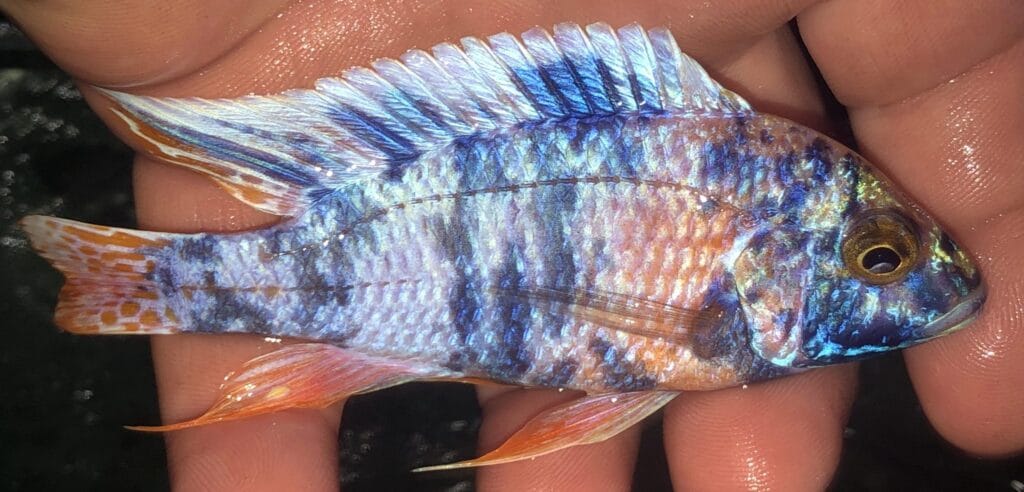




People who love aquariums often like African cichlids because of their beautiful patterns, strong personalities, and interesting ways of breeding. If you really want to show off their best traits, especially their bright breeding colors, a biotope-style tank might be the best choice. A biotope setup is different from a regular community aquarium because it tries to recreate the natural habitat of the animals you keep. This means copying the water chemistry, rocks, sand, and even the plants that live in their natural habitats.
Making a biotope-style tank isn’t just for looks; it’s also to help the fish reach their full potential. Cichlids’ stress levels go down, their health gets better, and their natural colors become more vibrant during breeding when they feel at home. Some species show very bright colors when their surroundings are similar to the rocky outcroppings and sandy bottoms of Lake Tanganyika.
This guide will show you how to set up a biotope-style tank that will not only keep your fish healthy but also bring out the bright breeding colors that make African cichlids so interesting.
Step 1: Find Out About The Natural Habitat
The first step in setting up a biotope is to learn about the natural habitat of your fish. The three great lakes that African cichlids come from the most are Malawi, Tanganyika, and Victoria. The water and land in each lake are different.
Lake Malawi has rocky shores, stable alkaline water (pH 7.8–8.6), and sand mixed with gravel. This is a great place for Mbuna species to live.
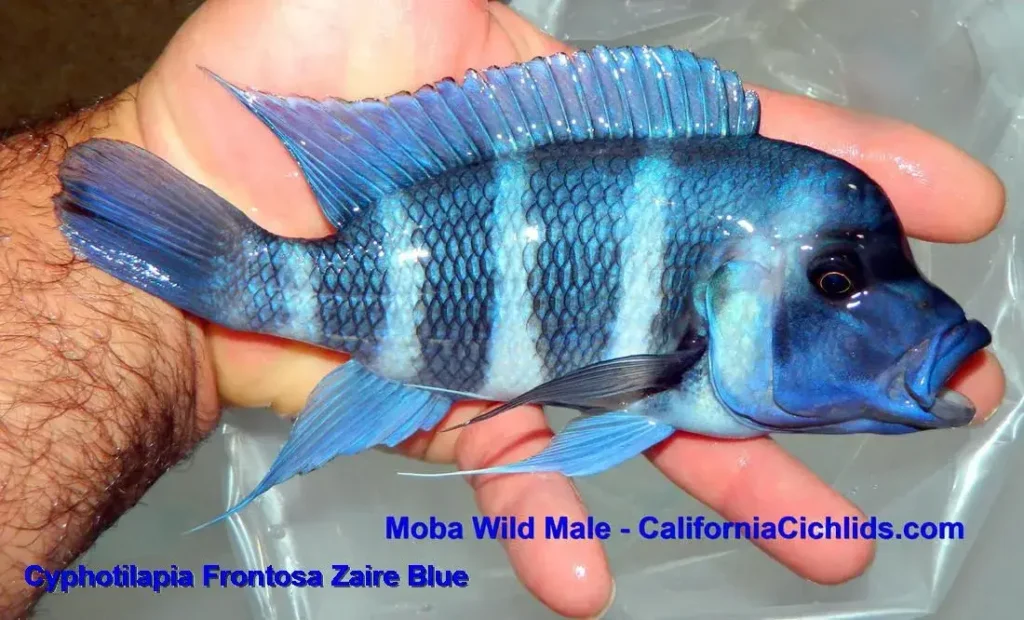
The Black Widow Frontosa is one of the big fish that live in Lake Tanganyika. It has deep rocky shelves, sandy bottoms, and water that is very hard and alkaline (pH 8.5–9.2).
Lake Victoria is shallow, has muddy bottoms, and the water isn’t as clear, but the conditions are still alkaline. You should try to make the conditions of the lake where your fish came from as close to those of the lake as possible. The more closely the mimicry matches, the more natural behaviors you’ll see.
Step 2: Pick the Right Rockwork and Substrate
The substrate is the most important part of a biotope-style tank. African cichlids often use their mouths to sift sand and dig holes for breeding or to protect their territory. Choose aragonite sand or crushed coral as your substrate. These not only look like natural lake sand, but they also keep the water alkaline. Don’t use sharp gravel because it can hurt delicate fins and mouthbrooding females.
For rockwork, stack limestone, holey rock, or slate to make caves, shelves, and places to hide. Rocky caves mimic deep-water habitats and provide fish with a sense of safety. A well-designed rocky landscape not only looks real, but it also calms fish down by giving each one a clear area to live in.
Step 3: Chemistry and Filtration of the Water
Water conditions are very important for the health and color of cichlids. The pH and hardness levels in African lakes are very high, and they are full of minerals.
- PH and Hardness: Keep the pH level between 7.8 and 9.0, depending on the type of lake. The general hardness (GH) should be between 12 and 20 DGH. You can use crushed coral, aragonite sand, or store-bought cichlid buffers to help keep these values stable.
- Temperature: The water should be between 76 and 82 degrees Fahrenheit (24 and 28 degrees Celsius). Stability is more important than perfection because changes can stress fish and make their breeding colors less bright.
- Filtration: Cichlids make a mess when they eat. Use a high-capacity canister filter or sump system to get rid of waste, and make sure the water moves quickly to mimic the waves in the lakes.
Bright colors are supported by good water chemistry. Fish that are stressed or sick often do not show their full color
Step 4: Lighting That Makes Colors Stand Out
Lighting doesn’t just light up the tank; it can also make the breeding colors look brighter.
- Full-Spectrum LED Lighting: LEDs with adjustable spectrums let you change the balance between blue, white, and red tones. This makes the blues and yellows that African cichlids are known for stand out.
- Day/Night Cycle: Use a 10–12-hour light cycle to copy the way the sun rises and sets in nature. Don’t leave the lights on all the time, as this stresses the fish and makes algae grow.
- Breeding Colors: When the light is right, the jet-black stripes and pale blue hues become much more intense, especially when they are spawning.
Step 5: Size of the Tank and the Fish in it
African cichlids are active, territorial, and can get very big. Choosing the right size tank is very important.
- Minimum Tank Size: A 55 to 75 gallon tank may be enough for Mbuna and smaller haps. Because frontosas are big and need space, you should start with at least 125 gallons.
- Stocking Strategy: Too many fish can make them less aggressive, but you need good filtration for that to work. It is safer to stock moderately and give them plenty of places to hide.
- Breeding Tips: Pairing or keeping harems (1 male with 3–4 females) usually leads to the most natural breeding success and less stress for the females.
These strategies not only help African Cichlid breeders survive, but they also give them the chance to see natural courtship displays and beautiful breeding colors.
Step 6: Feeding for Bright Colors
Your cichlids’ diet has a big effect on how bright they look. They eat algae, small invertebrates, and plankton in the wild.
- Staple Diet: High-quality cichlid pellets that have color-enhancing ingredients like spirulina and carotenoids in them.
- Supplements: Giving your fish brine shrimp, mysis shrimp, or krill every now and then will give them more protein and make their reds and oranges brighter.
Don’t eat mammalian meats like beef heart because they are hard to digest and can make you sick. A diet full of nutrients not only keeps fish healthy, but it also makes their colors bright, which means they are ready to breed.
Step 7: Promote Breeding Behaviors
Making a biotope isn’t just about how it looks; it’s also about getting animals to act naturally.
- Territorial Layout: Males often claim caves or flat rock surfaces to get females to come to them. Natural selection can happen when there are many choices.
- Water Changes: To mimic the rains of the season, change out 20–30% of the water with water that is a little cooler. This often starts the breeding process.
- Note: Look for males with brighter colors, flaring fins, and digging pits. These are all signs that they are ready to breed.
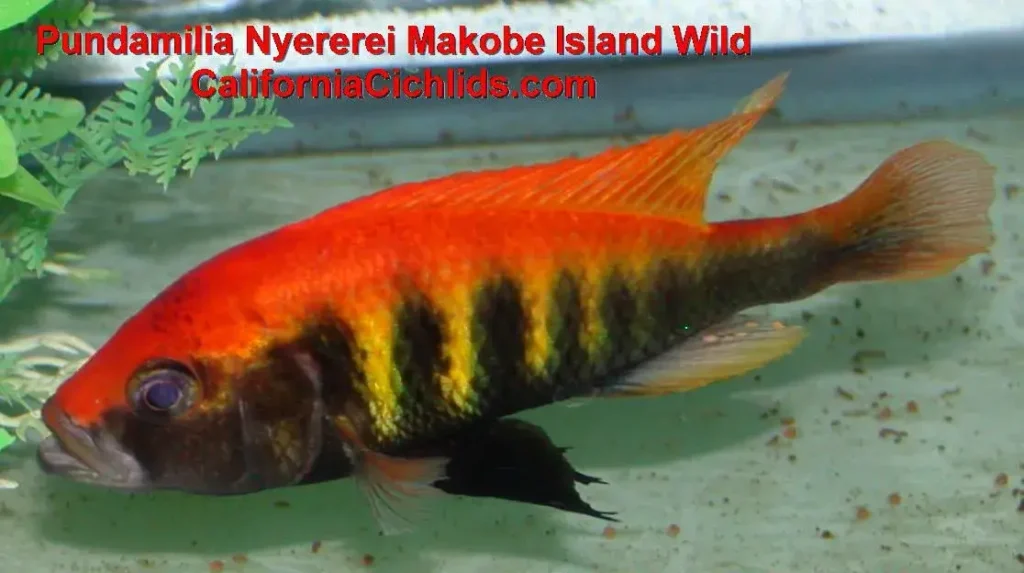
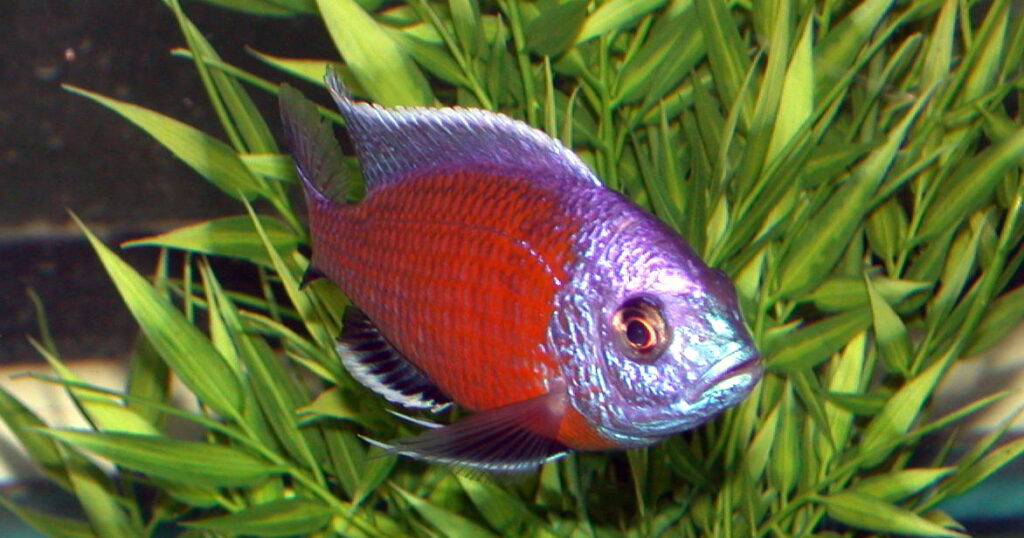
For some species, courtship can be a beautiful show of deepening stripes and shimmering colors, turning the biotope tank into a living work of art.
In Conclusion
A biotope-style tank is not just an aquarium; it’s a piece of Africa’s great lakes that you can see and touch. You can make cichlids thrive and show off their brightest breeding colors by carefully recreating their natural habitats with the right substrate, rockwork, water chemistry, lighting, and diet.
This method guarantees healthier fish, more natural behaviors, and stunning color displays that generic setups can’t match. A biotope tank shows off the real beauty of these fish, whether they are a group of Mbuna from Lake Malawi or from Lake Tanganyika.
When you look at your tank, the extra work pays off because your cichlids look just as bright as they would in the wild.