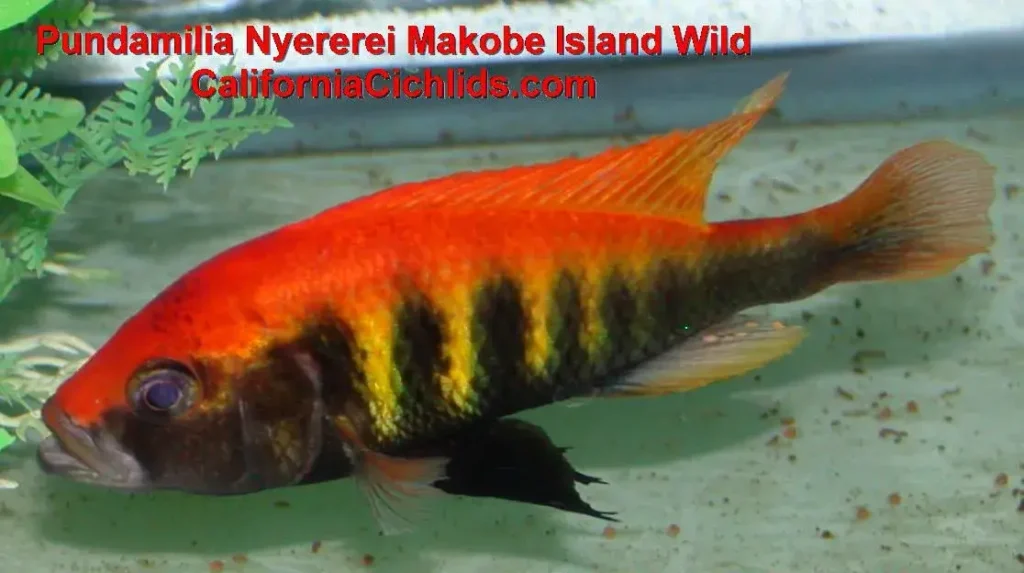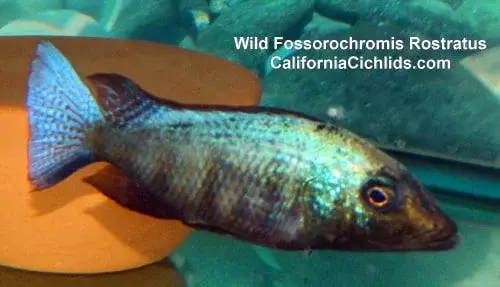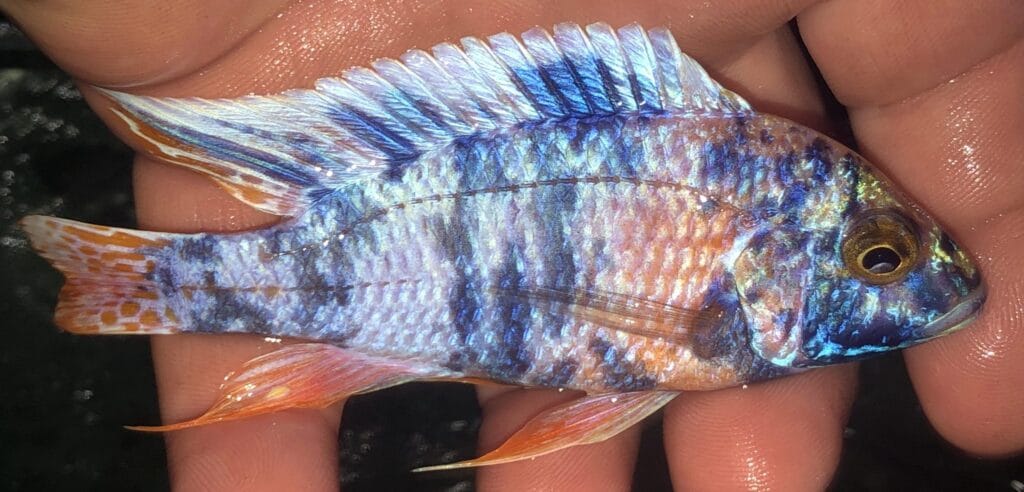




Mbuna Cichlids are small and colorful rock-dwelling species native to the East African region, specifically Lake Malawi. They’re a favorite among aquarists because they’re durable, simple to keep, can breed quickly, and are available in an amazing array of colors, including bright yellows, blues, and oranges.
Why Mbuna Are Popular
- Color Variety: Mbuna make up the freshwater fish with the most vibrant colors, and many species boast stunning blues that are rare in wild tropical fish that are wild.
- Multi-Species Community: Contrary to many cichlids, they can coexist within tanks. An appropriately designed tank could contain 30 or more species.
Mbuna in Nature
Mbuna reside in the stony regions within Lake Malawi, one of the major lakes in the world. The lake’s mineral-rich waters result in high pH carbonate durability (KH) and general toughness (GH). The lake’s environment is clean and oxygen-rich waters with rocky outcrops, as well as lots of hiding places.
Many enthusiasts seeking peacock cichlids for sale are also interested in Mbuna because of their vibrant colors and vivid aquarium appearance.
Maternal Mouthbrooders
Mbuna are mouthbrooders for mothers. Females take eggs, as well as fry inside their mouths, giving protection and a sense of mobility. Aquariums have them, and they typically breed when males and females stay together.
Essentials for Keeping Mbuna
Water Conditions
- Pure Water: Utilize strong filters and frequent water changes to ensure water quality and low levels of nitrate.
- High Mineral Content: You can maintain high pH, KH, GH, and pH by using mineral-rich rocks, substrates, or specific Cichlid salts.
- Temperature: Maintain temperatures that are suitable for fish of tropical origin (typically between 24-26 °C).
Tank Size
Mbuna gets bigger in captivity and can reach 5-6 inches. They’re territorial and aggressive; therefore, they require a large tank. A minimum dimension of four feet is suggested, while larger tanks provide greater space for territories.
Decor
Utilize a lot of caves and rocks to cut through lines of sight and create new territories. Rock piles provide fish with hiding space and decrease aggression. Limestone rocks help to keep the water hard.
Stocking Strategies
Aquarists who are interested in Mbuna cichlids for sale must consider the proper selection of fish to maintain the harmony of their tanks. It is recommended to overstock the tank to disperse the aggression. Keep several females per male to lessen the risk of aggression. Introduce all fish of similar sizes and ages to avoid dominance problems. Beware of mixing more aggressive fish with smaller ones.
Feeding
The wild Mbuna consume algae biofilm, sand, and other invertebrates scavenged from rocks. For aquariums, feed fish a diet low in animal proteins and rich in plant matter. Avoid foods high in protein that are designed for carnivorous cichlids. Please do not feed them for one day per week to avoid ailments such as Malawi Bloat.
Hybridization
Mbuna can hybridize in aquariums, and this is not advised to keep the original species. Conserve females with males from their species to prevent crossbreeding. Avoid distributing hybrid fry to the hobby.
Recommended Species
Larger, More Aggressive Mbuna
- Melanochromis auratus
- Pseudotropheus socolofi
- Labeotropheus fuelleborni
- Metriaclima lombardoi
- Metriaclima crabro
- Metriaclima greshakei
Smaller, Less Aggressive Mbuna
- Labidochromis caeruleus
- Melanochromis cyaneorhabdos
- Pseudotropheus acei
- Melanochromis joanjohnsonae
- Labidochromis perlmutt
- Labidochromis freibergi
- Pseudotropheus perspicax
- Melanochromis dialeptos
- Pseudotropheus livingstonii
Popular Choices
- Metriaclima pulpican
- Labidochromis caeruleus (yellow morph)
- Metriaclima estherae
- Orange blotch (OB) zebra types
- Pseudotropheus elongatus “Mphanga”
- Cynotilapia afra
- True Metriaclima zebra and related species
Conclusion
Mbuna Cichlids provide a stunning show of nature and color to any aquarium with fresh water. If you have the right tank size and water quality, as well as careful keeping, you will involvement a lively, vibrant Mbuna community. If their unique behavior or spectacular colors attract you, these cichlids will bring a bit of Lake Malawi’s splendor right into your aquarium.