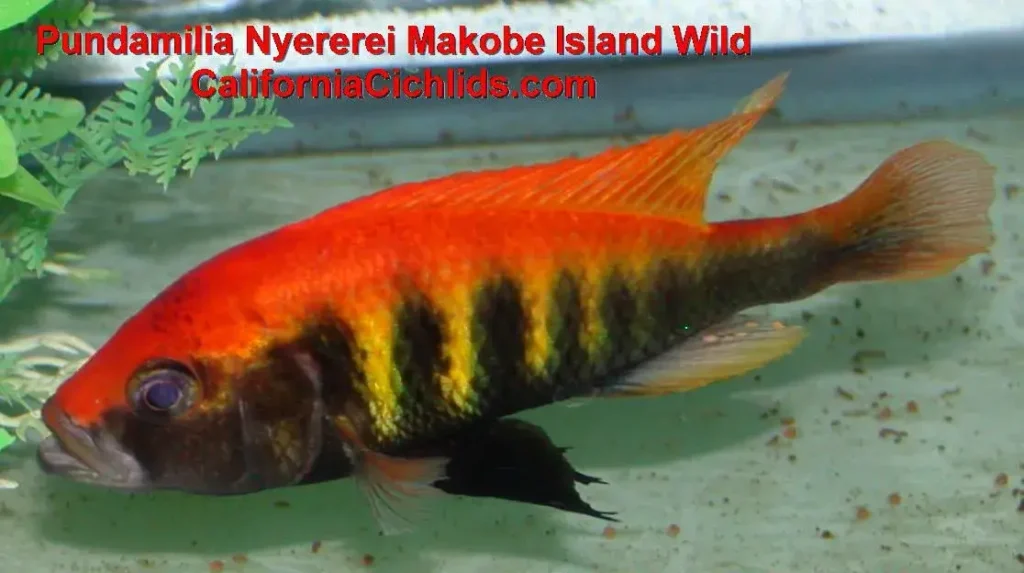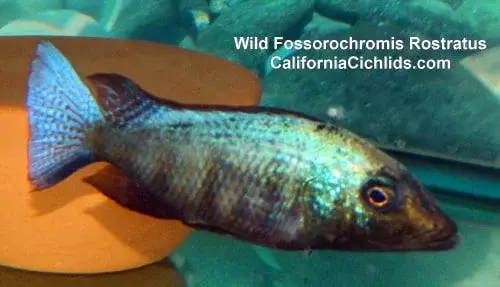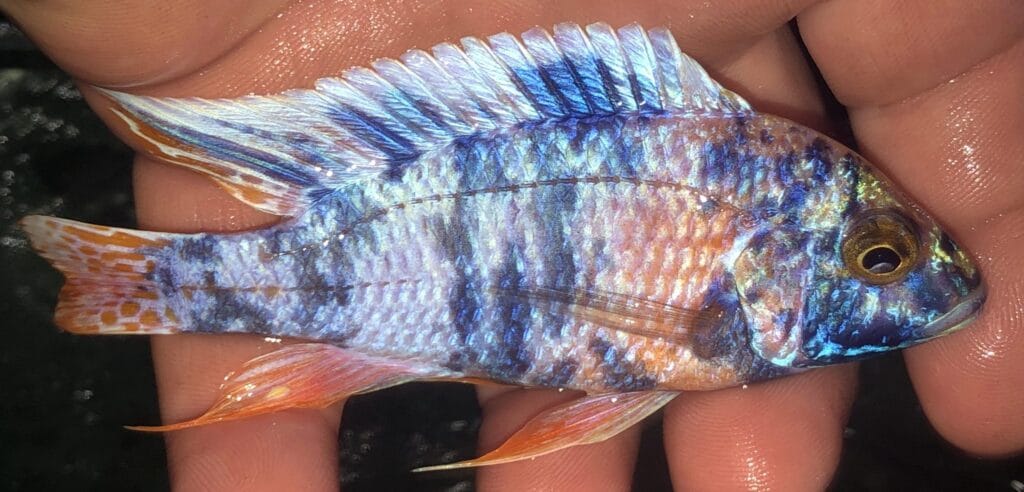




Cichlids are known to be freshwater, omnivorous fish that mostly originate from Africa’s great lakes: Victoria, Tanganyika, and Malawi. African cichlids are a captivating fish group requiring specific care and attention. Understanding their natural habitat and behavior is key to providing them with a healthy and happy environment to bloom. They are found in their native range, such as rocky shores, sandy bottoms, and open waters. They are omnivorous, meaning they eat both plant and animal matter. In the wild, they feed on algae, small invertebrates, and other fish. Female cichlids hold their eggs in their mouths for 3 to 5 weeks.
We have African Cichlids for sale that are popular among aquarium hobbyists due to their stunning colors and unique behaviors. Categorizing the particular species of African Cichlids is the first crucial step in ensuring they receive the best care possible. Creating the idyllic habitat is vital for their well-being and health. To make your African Cichlids feel at home, you need to imitate their natural environment as meticulously as possible.
- These fish originate from rocky lakebeds, so use a mix of sand and crushed coral to mimic their right substrate.
- Integrate lots of rocks, caves, and pots made of terracotta for hiding spots and territorial claims. These provide a safe breeding space and security.
- Choose hardy species like Anubias or Java Fern that nibble on live aquatic plants.
- Provide moderate lighting for 8 to 12 hours a day to mimic their natural lighting conditions.
- Add a small powerhead or air stone to simulate their natural environment’s currents with some water movement.
We provide a wide variety of cichlids, including the Bright Jewel of Lake Tanganyika, also known as Neolamprologus Leleupi or Lemon Cichlids are a tiny and spirited rock-dwelling cichlid rampant on Africa’s Lake Tanganyika’s southern coastline area. In the aquarium hobby, it is quite prevalent. Male and female Neolamprologus leleupi typically look alike, and they span up to 7-10cm long when fully mature.
Hopefully, you are or planning to be a proud new owner of baby African cichlids, you may be wondering what these little fish feed on to grow healthy and strong. Properly simulating their environment not only improves their quality of life, but it also allows you to observe their natural behavior and enjoy their vibrant colors. Choosing the right tank size is crucial, as it can significantly impact the overall health, well-being, and territorial behavior of your aquatic pets.
Just like their adult counterparts, these tiny freshwater fish have precise dietary needs that contribute to their overall well-being. Understanding what baby African cichlids eat is not only essential to their growth and development but also plays a crucial role in maintaining a thriving aquarium ecosystem.
They need a well-balanced, nutritious diet that is high in protein and includes appropriate plant matter.
Most African Cichlids are omnivores, which means they eat both animal and plant-based foods. However, the ratios may vary based on the specific type, habitat, and dietary needs of the species.
- One of the best options for feeding your African Cichlids is spirulina flakes herbivore fish food. These are specifically formulated to provide all the essential nutrients required for your fish’s growth and health. It is a gourmet food for all tropical fish with probiotics. Appropriate protein-rich content, which is a popular staple food for freshwater tropical fish. Meticulously formulated and thoroughly tested by aquaculture biologists. The unique formula supports coloration and helps maintain vitality and fish health. In addition to the quality, as mentioned earlier, it keeps the aquarium from getting cloudy.
More So, Keep In Mind To:
- Select high-quality pellets, which break down slowly, providing sufficient time for your fish to eat them.
- Offer a variety of pellet sizes to accommodate fish of different sizes.
- Prevent overfeeding by providing enough food that can be eaten within a couple of minutes.
- Most cichlids identify their owners and get excited at feeding time. Try hand-feeding pellets for an ever-so-special bonding experience.
Aside From The Pellets, You Can Further Vary Their Diet With:
- Vegetables: Blanched spinach, lettuce, and cooked peas can be a great addition to their diet.
- Live foods: Supplement occasionally with live foods such as brine shrimp, daphnia, and bloodworms.
- Frozen foods: A mix of frozen veggies, spirulina, and seafood can be a beneficial option.
It is essential to offer an extensive diet that contains protein as well as plant matter. Diversifying the types of food you serve helps improve health, lowers the likelihood of nutritional deficiencies, also keeps the fish engaged with their meals. Beware of putting them on one type of diet for long periods.
Conclusion
No matter if you’re brand new to the art of aquaristics or an experienced one, there’s an African Cichlid species that is perfect for adding to your tank. The stunning fish add lively color and dynamic behavior to any aquarium. To ensure they continue to be well-nourished and healthy, focus on finding an ideal tank layout, assuring healthy and stable water conditions, and offering a passable, diverse diet that is tailored to their exact requirements. If you take care of them, African cichlids can be an extremely satisfying addition to your family of aquatic animals.