



Introduction:
A captivating example of freshwater fish in Africa is the Malawi and Tanganyika cichlids. Even though both came from the Great Rift Valley in Africa, each lake has developed the fish in profoundly unique ways. From color and disposition to social structure and even habitat, these two cichlid families each provide an enthralling tale of evolution and survival.
Selecting one of the two options, from a cichlid aquarium collectible’s point of view, is a complex task. They are both equally intelligent and stunning and brimming with unique traits, personality, and character, but have absolutely different requirements in terms of care and biotope set-up. I have prepared this comparison of Malawi and Tanganyika cichlids to aid you in making your decision.
The Origins: Two Legendary Lakes
Both Lake Malawi and Lake Tanganyika are among the world’s oldest freshwater bodies, but they differ in age, depth, and ecological complexity.
- Lake Malawi: Formed around 1–2 million years ago, it is shallower and warmer. Its clear waters are famous for colorful rock-dwelling cichlids known as mbunas, as well as peacocks and haps.
- Lake Tanganyika: Estimated to be 9–12 million years old, it is the second-deepest lake in the world. Its ancient waters host hundreds of species that exhibit complex behaviors, advanced parenting, and remarkable diversity.
These lakes are evolutionary laboratories, showcasing how isolation, environment, and competition can shape life in unique ways.
Appearance and Coloration
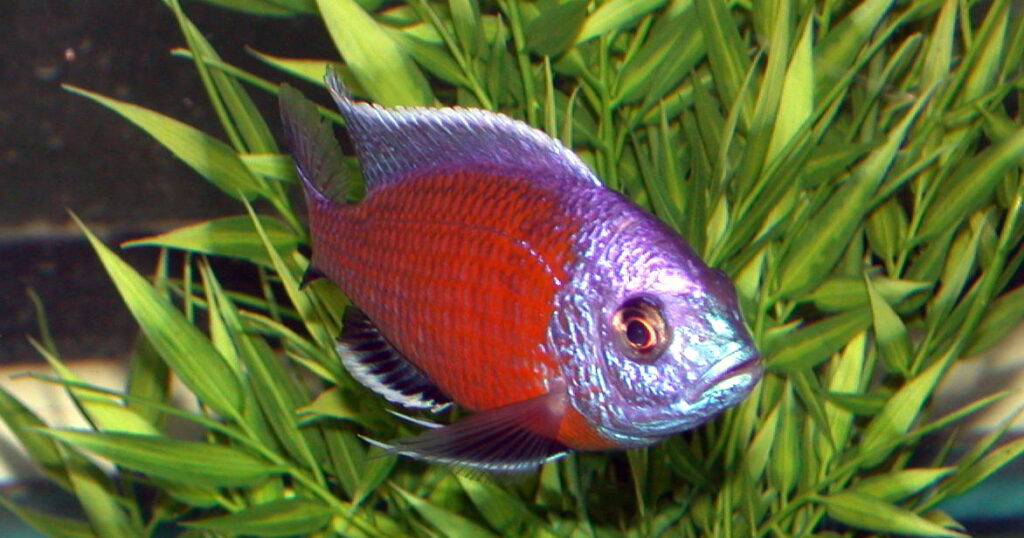
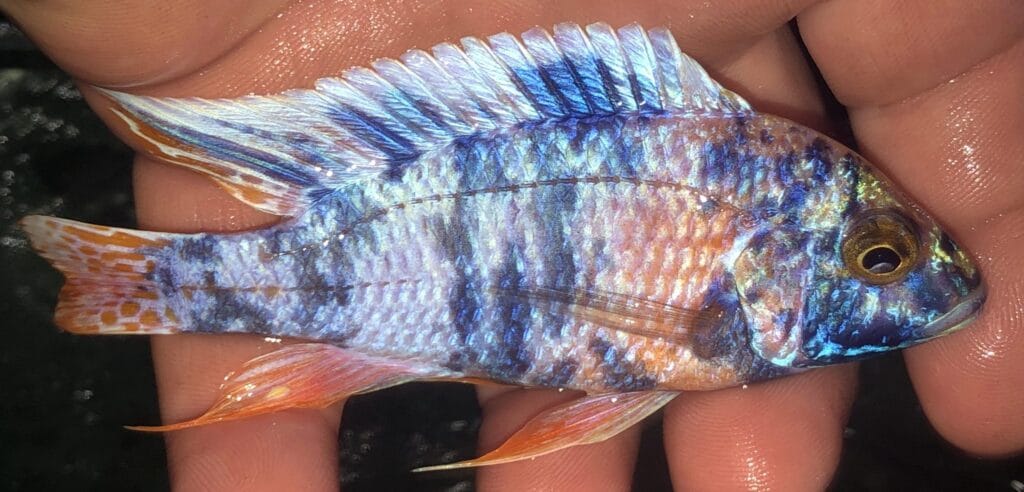
Malawi cichlids are celebrated for their vibrant colors. Males often glow with electric blues, fiery oranges, and bold yellows that rival saltwater fish. Mbunas and peacocks, for example, display intense pigmentation that changes with dominance and breeding cycles.
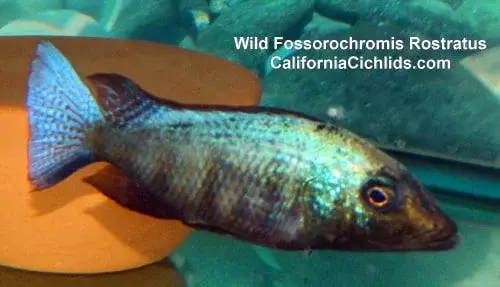
In contrast, Tanganyika cichlids exhibit more subtle yet sophisticated patterns—metallic silvers, deep blues, and intricate stripes. Their coloration may not be as bright, but their form and grace are unmatched. Species like the Frontosa and Julidochromis captivate aquarists with their understated beauty and stately presence.
If you’re after dazzling colors that light up your tank, Malawi cichlids take the crown. But if you prefer elegance and natural behavior, Tanganyika species offer depth and intrigue.
Behavior and Temperament
Behavior is where these two groups differ most.
- Malawi cichlids are active, territorial, and often aggressive. Mbunas, in particular, spend their days defending rocky caves and chasing rivals. They are ideal for aquarists who enjoy dynamic, energetic displays.
- Tanganyika cichlids tend to be calmer and more socially complex. Many form pairs, colonies, or even cooperative families. Species like shell dwellers live in organized communities where each fish knows its role.
While Malawi species bring motion and color, Tanganyika fish bring structure and intelligence. Both types can be fascinating, but your choice should match your tank setup and your patience for managing territorial disputes.
Tank Requirements and Water Conditions
The right environment is key to success for either group. Both lakes have alkaline, mineral-rich water, but their needs vary slightly.
For Malawi Cichlids:
- pH: 7.8–8.8
- Temperature: 76°F–82°F
- Habitat: Rocky caves and open swimming areas
- Minimum Tank: 55 gallons for small species; 75+ gallons for mixed setups
For Tanganyika Cichlids:
- pH: 8.0–9.0
- Temperature: 75°F–80°F
- Habitat: Mixture of rocks, sand, and shells
- Minimum Tank: 40 gallons for smaller species, 100+ gallons for large colonies like Frontosas
Malawi tanks benefit from densely packed rocks to break lines of sight and reduce aggression. Tanganyika tanks, however, thrive on structure—sand beds for shell dwellers, caves for rock species, and open zones for schooling fish.
Diet and Feeding
Both species are opportunistic eaters in the wild, but their diets differ depending on habitat.
- Malawi cichlids include herbivores (like mbunas) that graze on algae, omnivores that eat small crustaceans, and carnivores that hunt smaller fish. In captivity, they do well on spirulina flakes, cichlid pellets, and frozen foods like brine shrimp.
- Tanganyika cichlids are more specialized. Some are sand sifters that extract microorganisms, while others, like Frontosas, are predators. A balanced mix of high-quality pellets, mysis shrimp, and krill works best.
Feeding variety is crucial for both, but Tanganyika fish often prefer smaller, more frequent meals due to their slower metabolisms.
Breeding Behavior
Breeding is one of the most fascinating aspects of both groups.
Malawi Cichlids:
Most are mouthbrooders. The female carries fertilized eggs and fry in her mouth for up to three weeks, protecting them from predators. Watching a mother release and recapture her young is mesmerizing.
Tanganyika Cichlids:
Breeding strategies are incredibly diverse. Some species are also mouthbrooders, while others spawn on rocks or in shells. Many Tanganyika fish form long-term pairs or cooperative colonies, displaying parenting behaviors more advanced than almost any other freshwater fish.
If you’re fascinated by complex social structures, Tanganyika species offer more variety. If you enjoy color and easy breeding, Malawi cichlids are ideal.
Compatibility and Tank Mates
Malawi cichlids are best kept with other Malawi species of similar size and temperament. Mixing them with Tanganyika fish can lead to stress or aggression due to differing behaviors.
Tanganyika cichlids, on the other hand, can coexist peacefully when housed with species from similar habitats. Shell dwellers, sand sifters, and rock dwellers often share space harmoniously if given enough room.
Regardless of lake origin, overstocking is a common mistake. Too many fish lead to aggression, while too few cause dominance battles. Proper ratios and hiding places are key to maintaining peace.
Which Is Right for You?
Choosing between Malawi cichlids and Tanganyika cichlids depends on your experience level and the kind of aquarium you want to create.
Choose Malawi if you:
- Love vibrant colors and energetic activity
- Enjoy managing territorial behavior
- Want fast-paced, visually stunning displays
Choose Tanganyika if you:
- Appreciate complex social behavior and unique breeding
- Prefer a calmer, more natural environment
- Have patience for specialized setups
Both groups reward their keepers with personality and charm, but the right choice depends on your preference for either intensity or balance.
Conclusion
The rivalry between Malawi cichlids and Tanganyika cichlids isn’t about which is better—it’s about what kind of aquarium experience you want.
Malawi cichlids light up your tank with brilliant color and nonstop energy. Tanganyika cichlids, on the other hand, offer grace, intelligence, and remarkable diversity shaped by millions of years of evolution.
Whichever path you choose, you’ll be rewarded with an aquarium that reflects one of Africa’s greatest natural wonders. Both lakes have given the world some of the most fascinating fish ever discovered—and keeping them brings a piece of that ancient beauty right into your home.