



Starting and caring for a small freshwater tank at home can be an incredibly rewarding experience. For beginners or if anyone wishes to add a splash of aquatic life to their living space, a small tank is a simple and enjoyable way to dive into fishkeeping. However, like any living ecosystem, a successful aquarium requires more than just water and fish. In this guide, we’ll cover essential steps for maintaining a healthy and beautiful freshwater tank within the comfort of your home.
Start with the Right Size and Placement
While small tanks typically range from 5 to 20 gallons. They consume less space and often look more attractive; however, a bit more attention is required when it comes to water quality. Since there’s less water, it’s important to maintain pH and ammonia levels consistently. It’s better to choose the largest tank that can be accommodated in your desired space. The more water volume you have, the more forgiving your tank will be.
Make sure the tank is not placed in direct sunlight, as it will lead to excessive algae growth and temperature fluctuations. It should sit on a sturdy, level surface and be close to an electrical outlet for your filter, heater, and light.
Choosing the Right Fish
Setting up and stocking a small freshwater tank is crucial. Overstocking can cause water quality issues and unnecessary stress to your fish. Choose peaceful, small-sized, and highly compatible fish. Popular choices for small tanks include tetras, guppies, bettas, and Corydoras catfish. For a touch of uniqueness, you might consider species like the Medaka, known for its rich coloration and active behavior. (You can often find medaka rice fish for sale at specialty online breeders.)
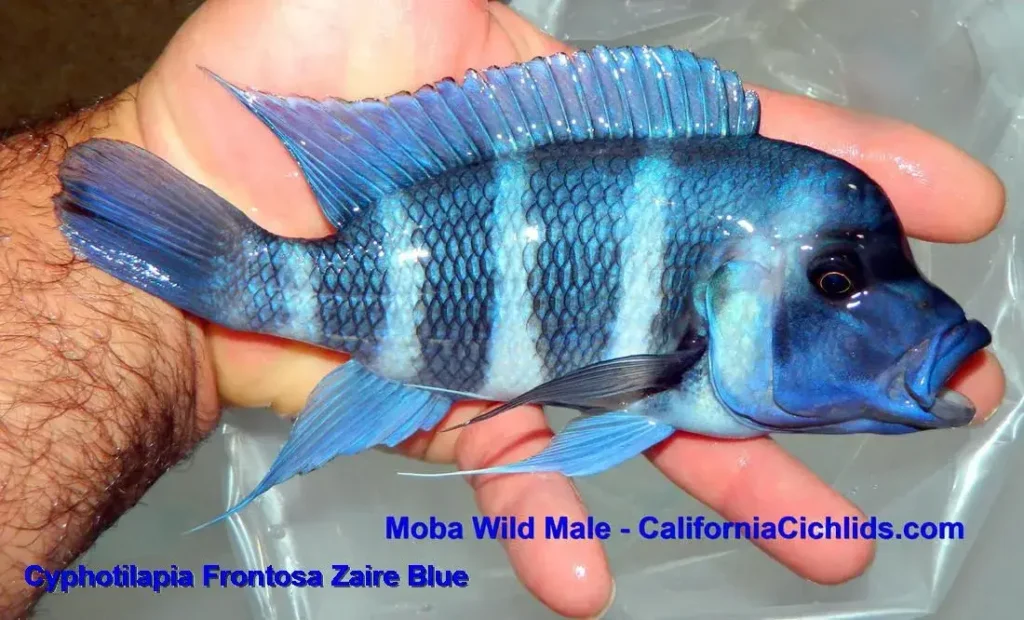
Before adding any fish, make sure you have a complete understanding of their adult size, behavior, and preferred water conditions. Quarantine is new to prevent the spread of disease to your main tank. If you’re considering expanding your hobby beyond beginner fish, our ultimate guide to cichlids at home offers expert advice on keeping vibrant and active species like Mbuna cichlids in a home setup.
The Importance of the Nitrogen Cycle
One of the most crucial yet easily overlooked aspects of fishkeeping is understanding the importance of the nitrogen cycle. This biological process breaks down waste (ammonia) into less harmful nitrates with the help of beneficial bacteria. A tank must be properly cycled before adding any fish. You can cycle your tank by adding a small amount of fish food or ammonia and allowing the bacteria to grow, which can take a few weeks. If you wish to speed up the process, add a bacterial starter from a pet store. Test kits are essential to keep a constant check on ammonia, nitrite, and nitrate levels throughout the cycle.
Importance of Regular Maintenance
A healthy small freshwater tank requires regular maintenance every week. The checklist is as follows.
- Water Changes: 20–30% of the tank water needs to be replaced with fresh, dechlorinated water every week. This dilutes waste and replenishes essential minerals.
- Gravel Cleaning: The use of a gravel vacuum is essential during water change to remove debris and uneaten food from the substrate.
- Filter Care: Rinse filter sponges or cartridges in old tank water (not tap water) to maintain beneficial bacteria.
- Glass Cleaning: Use an aquarium-safe algae scraper to keep your tank clear and visually appealing.
- Ammonia: Should be 0 ppm
- Nitrite: Should be 0 ppm
- Nitrate: Ideally below 20–40 ppm
- pH: Depends on the fish, but most community fish prefer a pH between 6.5 and 7.5
Use test kits once or twice a week, especially in the first month after setup. Catching imbalances early can prevent stress, illness, and even fish deaths.
Feeding Your Fish, the Right Way
One of the most common mistakes in fishkeeping is overfeeding your fish. Feed your fish once or twice every day, only as much as they can consume in two to three minutes. Uneaten food can decay quickly at the bottom of a small tank, leading to ammonia spikes and poor water quality. High-quality food is essential to meet your fish’s diet. If you’re keeping species like African cichlids, consider specialized diets such as cichlid food color enhancing pellets, which help bring out their natural brilliance while providing balanced nutrition.
Decor and Live Plants
Decorations play several important roles beyond just beautifying your tank. They help create a safe, engaging, and comfortable environment. It’s important that you don’t overcrowd the tank with excessive items. Fish need open swimming space, too. Live plants can enhance your tank’s look while helping maintain water quality by absorbing nitrates.
Beginner-friendly plants like Java fern, Anubias, and Amazon sword are usually recommended. Make sure they are suited for freshwater,r and they won’t outgrow your tank.
Keep an Eye on Behavior
Healthy fish are active, alert, and eat regularly. If you notice signs of stress, such as gasping at the surface, clamped fins, hiding excessively, or unusual swimming patterns. Check your water parameters right away. Early intervention can save lives.
Final Thoughts
Keeping a small freshwater tank at home is a rewarding hobby that brings a little piece of nature into your space. With consistent care and a bit of patience, your tank can flourish and become a soothing, living attraction in any room. Take your time to set it up according to your preferences, learn as you go, and enjoy the beauty of a peaceful underwater world.